
 Clayton Murphy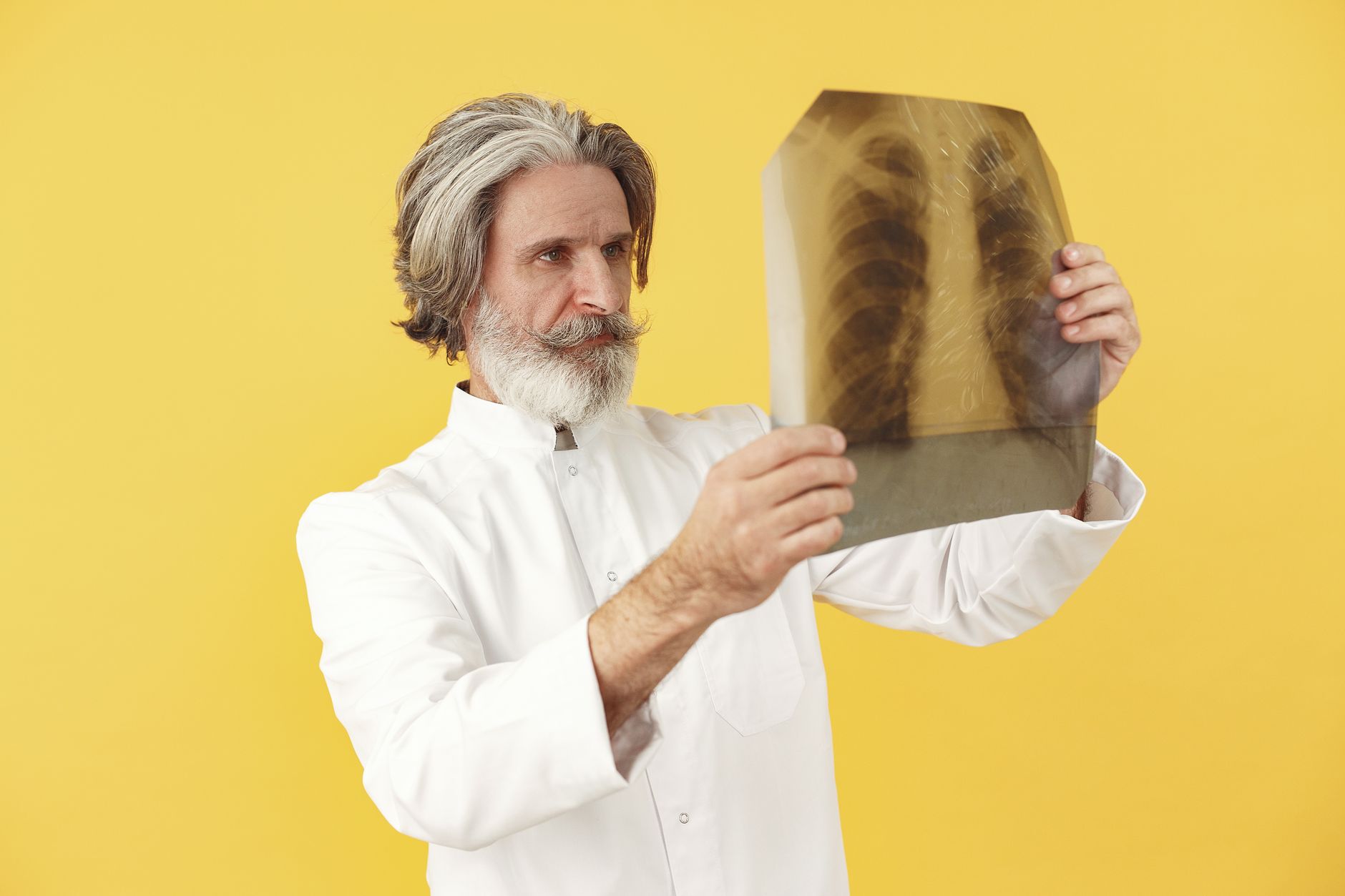
Mesothelioma among electricians traces back to decades of asbestos use in wiring insulation, panels, and switchgear, a legacy that still surfaces in cancer diagnoses among tradesmen who worked with electrical materials long before the hazard was widely understood.
Why Electricians Faced Heavy Asbestos Exposure
Asbestos is a naturally occurring mineral once prized for its resistance to heat and electrical current, qualities that made it a common additive in wiring components. Manufacturers mixed asbestos fibers into wire insulation, cloth wrapping, panel boards, conduit, and the linings of electrical boxes because the mineral would not melt or conduct heat the way other materials did. Electricians who cut, stripped, sanded, or removed these products released microscopic fibers into the air, and those fibers were easily inhaled or swallowed.
Work in older buildings, power plants, shipyards, and industrial facilities put electricians in especially close contact with asbestos containing parts. Many spent long stretches in tight spaces such as crawl spaces, boiler rooms, and utility tunnels where ventilation was poor and asbestos dust could linger for hours. Because asbestos fibers are invisible to the naked eye and exposure often produced no immediate symptoms, generations of electricians worked without realizing the material posed a serious long term health risk.
What Mesothelioma Is and Why Electricians Are at Risk
Mesothelioma is a rare and aggressive cancer that develops in the thin layer of tissue, called the mesothelium, that lines the chest cavity, abdominal cavity, or the sac around the heart. According to the National Cancer Institute, mesothelioma is almost always linked to asbestos exposure, and the disease can take several decades to develop after the fibers are first inhaled or ingested. This long latency period is one reason electricians who worked with asbestos containing materials years ago may only now be receiving a diagnosis.
The mesothelium normally protects and cushions internal organs as they move. When asbestos fibers become trapped in this lining, they can cause chronic inflammation and scarring over many years. Health authorities note that this ongoing irritation is believed to trigger the cellular changes that eventually lead to malignant mesothelioma, though not everyone exposed to asbestos will develop the disease. Risk tends to rise with the intensity and duration of exposure, which is why electricians who worked directly with asbestos products for many years, rather than those with brief or incidental contact, are considered to face a higher likelihood of illness.
Recognizing the Symptoms
Mesothelioma symptoms vary depending on where the cancer develops. The most common form, pleural mesothelioma, affects the lining of the lungs and chest wall. According to MedlinePlus, symptoms of this type can include:
- Persistent chest pain
- Shortness of breath
- A dry or persistent cough
- Unexplained weight loss
- Fatigue
- Fluid buildup around the lungs
Peritoneal mesothelioma, which affects the lining of the abdomen, may instead cause abdominal pain, swelling, and digestive changes. Because these symptoms overlap with many far more common and less serious conditions, mesothelioma is frequently diagnosed only after symptoms have progressed, which is part of why regular checkups and full disclosure of past asbestos work matter for former electricians.
Diagnosis and Medical Evaluation
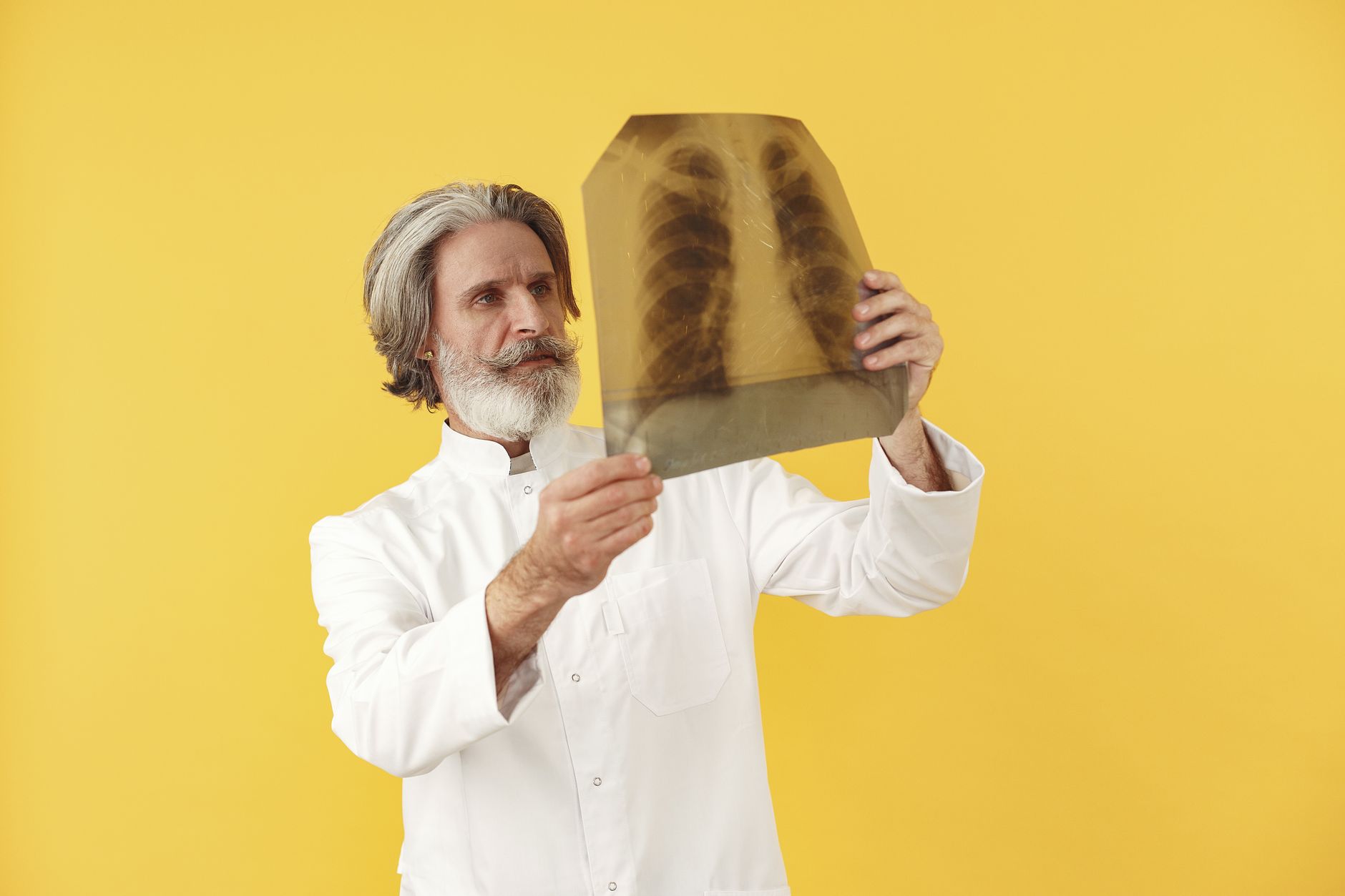
Diagnosing mesothelioma typically begins with imaging tests such as chest X-rays or CT scans to look for abnormal thickening or fluid in the affected cavity. If imaging raises concern, doctors generally order a biopsy, a procedure in which a small tissue sample is removed and examined under a microscope, to confirm whether cancer cells are present and to identify the specific cell type. The American Cancer Society notes that because mesothelioma can resemble other cancers and conditions, pathologists often use specialized laboratory techniques to distinguish it accurately.
Electricians being evaluated for unexplained respiratory or abdominal symptoms should tell their doctor about any history of working with asbestos containing wiring materials, panels, or insulation. This occupational history can help guide which tests are ordered and how quickly a specialist is brought in, since early and accurate diagnosis affects the range of treatment options available.
Treatment Approaches
Treatment for mesothelioma depends on the type and stage of the disease, its location, and the patient's overall health. Common approaches, often used in combination, include:
| Treatment | Purpose |
|---|---|
| Surgery | Removes as much of the visible tumor as possible, sometimes along with nearby affected tissue |
| Chemotherapy | Uses drugs to kill cancer cells or slow their growth, often given before or after surgery |
| Radiation therapy | Targets cancer cells with high energy beams to shrink tumors or relieve symptoms |
| Immunotherapy | Helps the immune system recognize and attack cancer cells, an approach increasingly studied for mesothelioma |
Clinical trials continue to explore new combinations of these treatments and additional therapies for pleural mesothelioma and other forms of the disease. Patients are often encouraged to discuss with their care team whether a clinical trial might be an appropriate option alongside standard care.
Compensation, Recognition, and Support for Affected Electricians
Because the dangers of asbestos in electrical products became clear only after many workers had already been exposed, regulatory agencies now restrict its use. The Occupational Safety and Health Administration sets workplace exposure limits and safety requirements for jobs where asbestos may still be encountered, such as renovation or demolition of older electrical systems, while the Environmental Protection Agency regulates asbestos handling and disposal more broadly. Electricians working in older structures today are generally protected by rules requiring protective equipment, proper ventilation, and safe removal procedures when asbestos containing materials are disturbed.
For electricians already diagnosed with mesothelioma, nonprofit organizations and patient advocacy groups can offer guidance on finding specialists experienced in treating the disease, connecting with support networks, and understanding available medical resources. Given the disease's long latency period, many people diagnosed today were exposed during work performed decades earlier, underscoring why occupational history remains such an important part of both diagnosis and follow up care.
 Vernon Simmons
