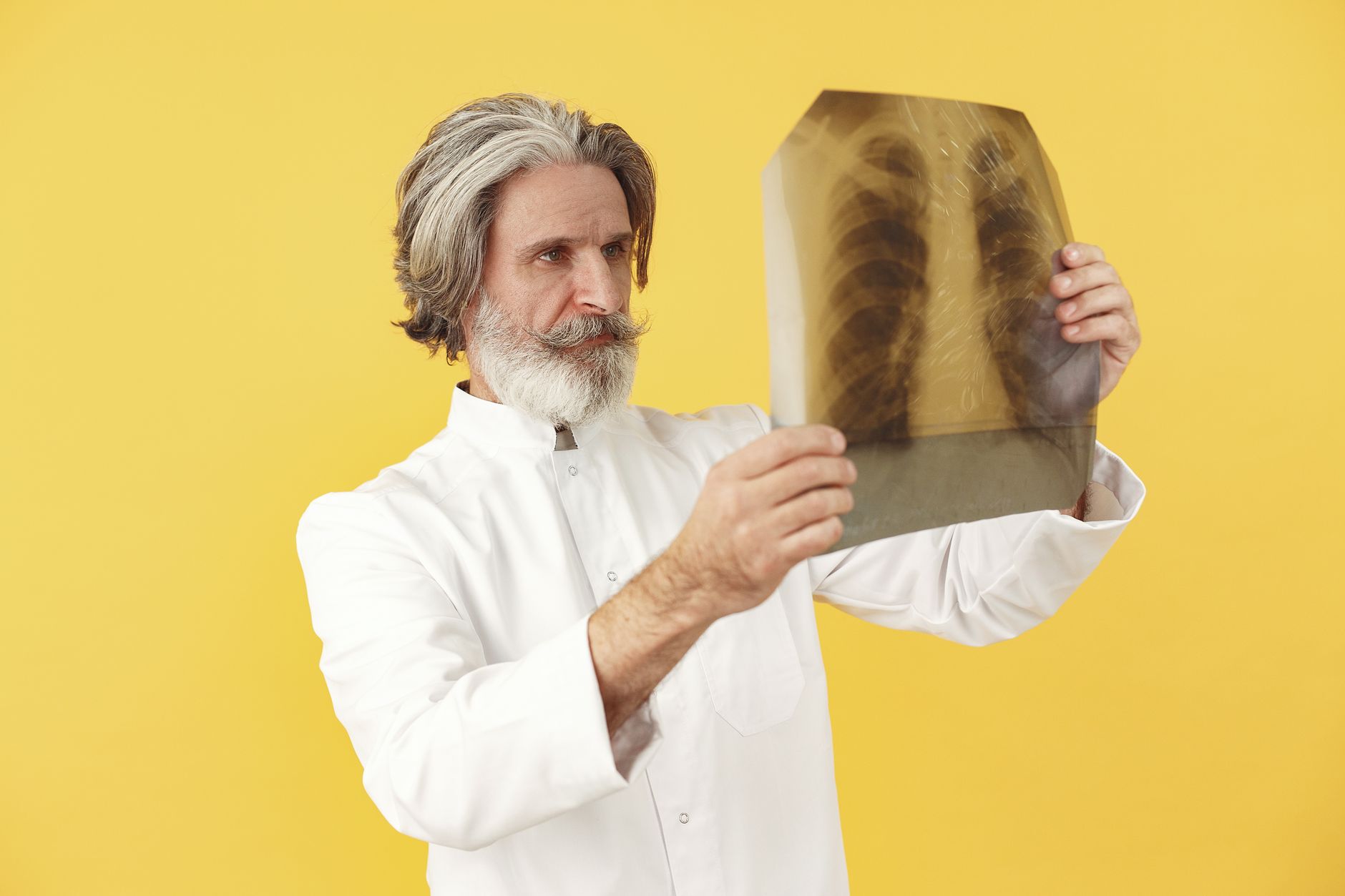
Mesothelioma Electricians: Asbestos Exposure Risks and Legal Options
Electricians who worked with asbestos wiring, panels, and insulation decades ago face an elevated risk of mesothelioma. Here is what to know about causes, symptoms, and treatment.


Electricians who worked with asbestos wiring, panels, and insulation decades ago face an elevated risk of mesothelioma. Here is what to know about causes, symptoms, and treatment.

Shipyard work exposed generations of laborers and sailors to asbestos fibers hidden in insulation, pipes, and boiler rooms. Here is what that history means for health today.

Secondhand asbestos exposure happens when fibers travel home on a worker's clothing or gear, putting family members at risk of the same diseases seen in direct occupational exposure.

A clear, factual guide to how asbestos exposure happens, who is most at risk, the diseases it can cause, and how doctors diagnose and treat them.

There is no single test for past asbestos exposure. Learn the step by step way to trace your history, spot warning signs, and know when to see a doctor.

A clear look at what drives asbestos exposure risk, from occupation and military service to household contact, aging buildings, smoking, and genetic susceptibility.

Boiler technicians faced some of the highest occupational asbestos exposure of any trade, handling insulation, gaskets, and cement that released fibers for decades before symptoms ever appeared.